A Homegrown Nervous System
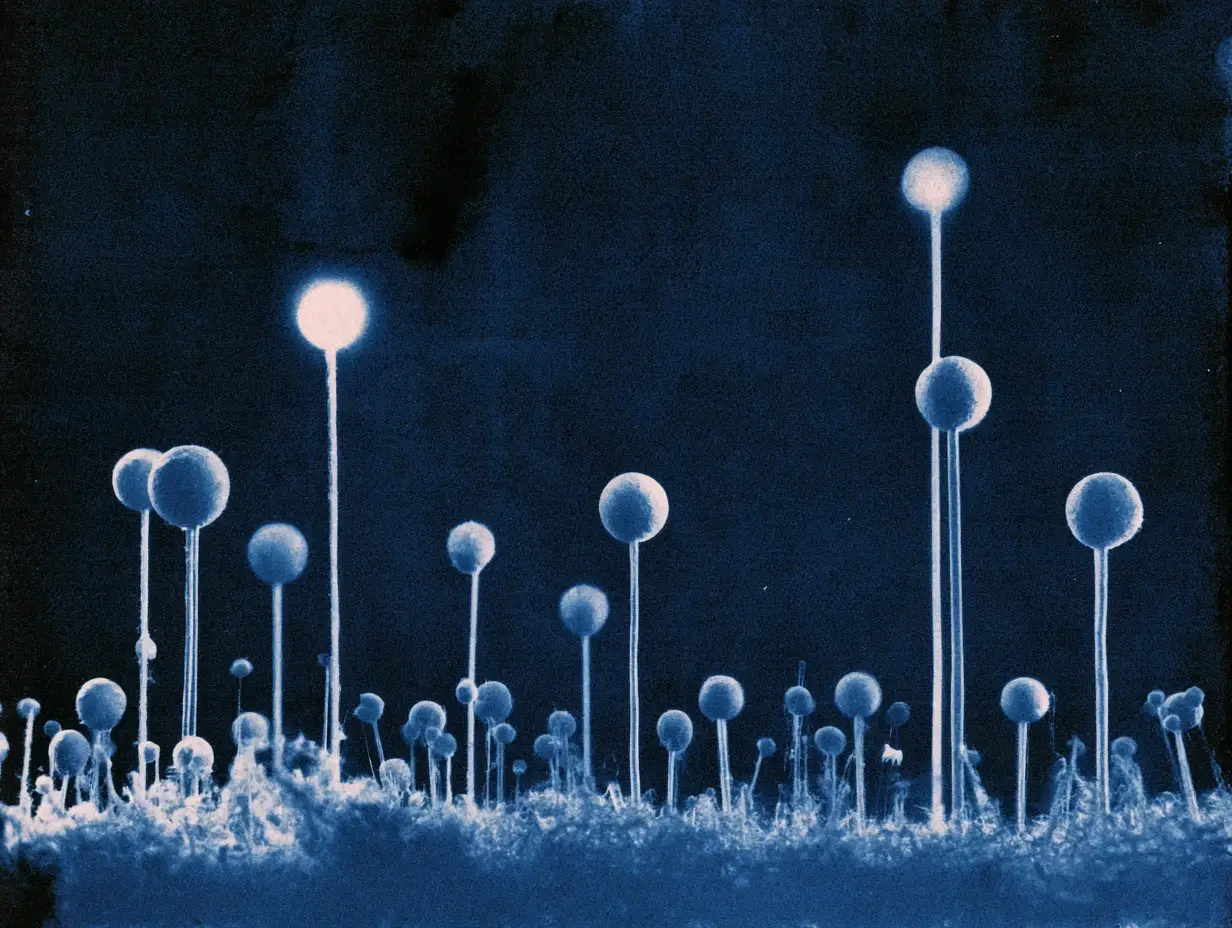
A $1.25M NSF grant accelerates Hawaiʻi's growing network of locally designed environmental sensors, signaling a shift from consuming technology to architecting our own resilience.
A quiet revolution has been taking shape across the archipelago: a "homegrown nervous system" of localized sensors monitoring everything from wildfire ignition to heavy metal runoff in our watersheds.
The National Science Foundation just awarded a $1.25 million grant to a team led by UH Mānoa's Tyler Ray, Georgia Tech's Josiah Hester, a Native Hawaiian computing professor, and UH co-PI Aurora Kagawa-Viviani at the Water Resources Research Center. Together, they're building low-cost, 3D-printed biosensors paired with AI-enabled edge devices that process data on-site, so they keep working even when the grid goes dark.
The timing is exciting. Our islands are already a proving ground for distributed sensing, from Hohonu, the UH spinoff building climate mitigation technology, to the AI-driven Sage nodes near Volcanoes National Park. What makes this new project distinctive is its commitment to co-designing with ʻāina stewards, kūpuna, and immersion schools.
If the future of climate response is decentralized, how does our relationship with the land change when the data is as rooted in place as the people who live there?