Liquid Networks
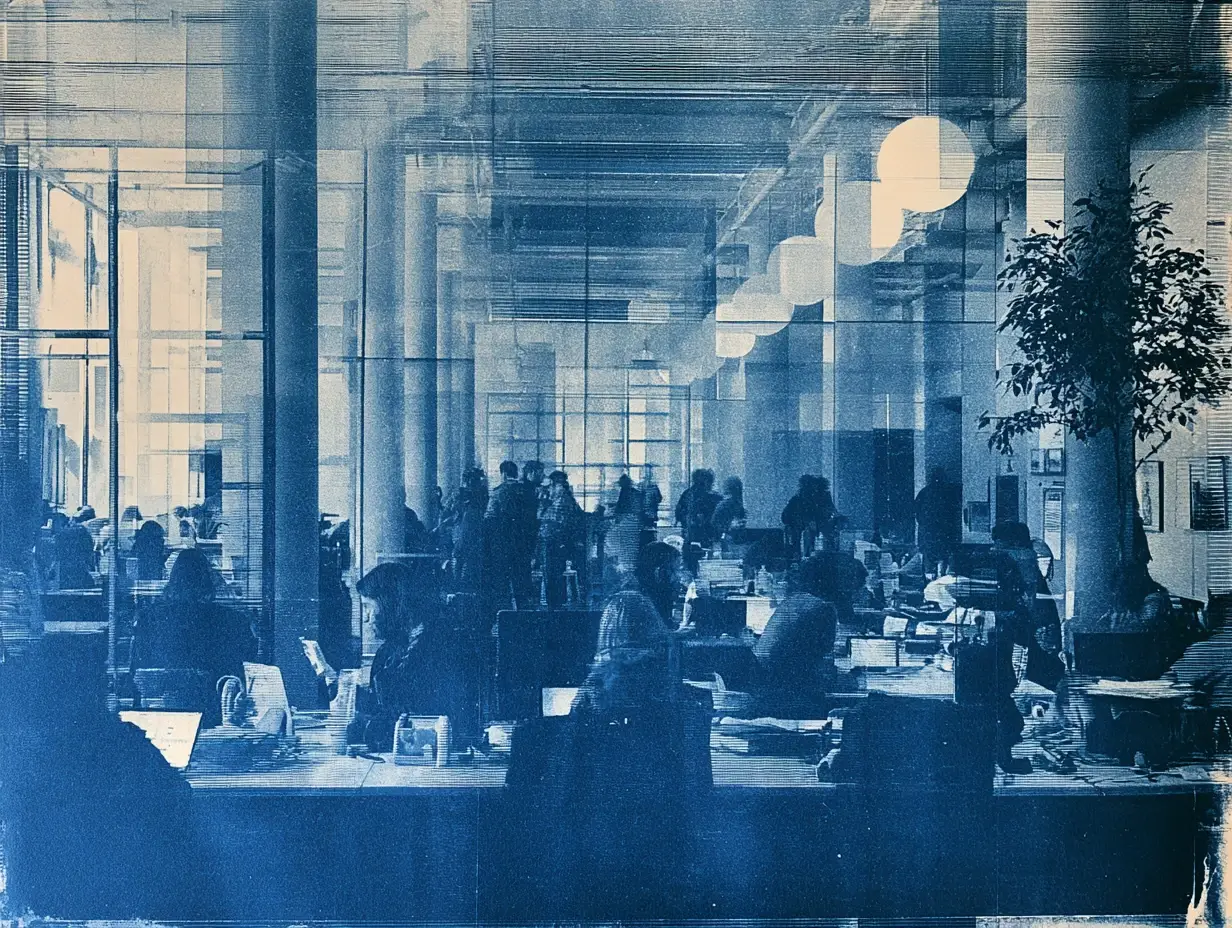
Coworking was never really about desks. As Hawaiʻi's first generation fades, it's worth asking what we're trying to build in its place.
Coworking didn't begin as real estate. It began as an attempt to make independent work feel less lonely.
In 2005, software engineer Brad Neuberg opened one of the first modern coworking experiments in San Francisco. His goal was simple: to have freedom while building community in a rigorous work environment.
Hawaiʻi found its own version in 2011, when BoxJelly opened. Then came The Hub, Waiwai Collective, and the Entrepreneurs Sandbox. Membership meant more than a desk. It could look like a workshop after hours, a pitch night, a hackathon, a soup club, or a conversation that changed the direction of someone's life.
That was the quiet value: the unexpected encounter. It's what writer Steven Johnson calls a "liquid network": a place where half-formed ideas have room to collide, recombine, and become something more.
Now that first generation is changing. Waiwai Collective closed last year. The Hub is winding down. And BoxJelly's longtime home at Ward Centre faces demolition this summer.
At the same time, a new generation is emerging across the islands with a different name: work clubs, innovation hubs, makerspaces, third spaces, and experiments in gathering.
While coworking culture from Berlin to New York has been about rigor, networking, and boundary-pushing, Hawaiʻi's approach has always been about belonging. In today's economy, can we continue creating the conditions where people build things together intentionally, like companies, technology, convenings, and trust, that support radical futures we couldn't have imagined without collision?