Open a Window
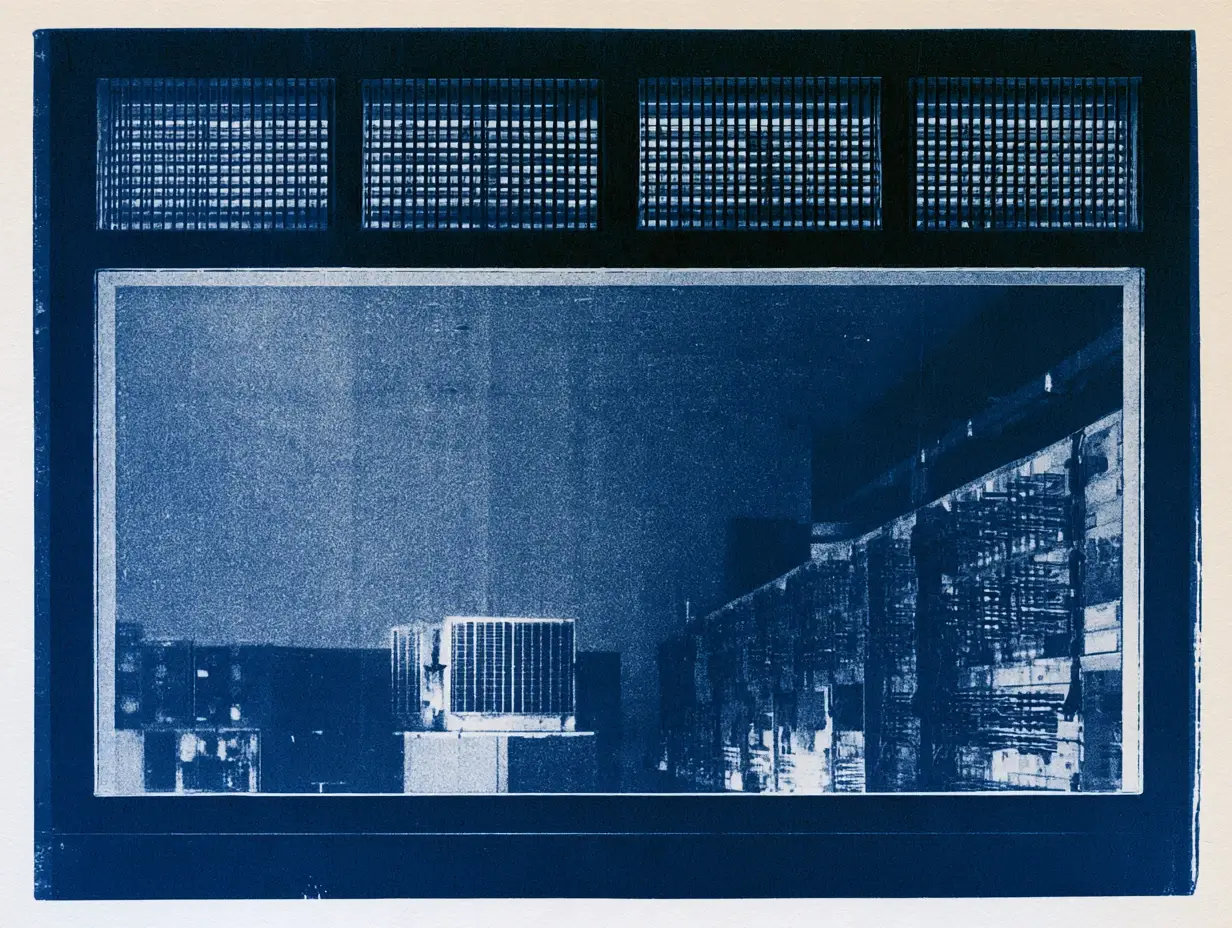
A UH study finds the cheapest way to cool data centers is running out. Cooling, not chips, may be where the money goes next.
The cheapest way to cool a room full of computers is to open a window and skip the air conditioning. The industry calls it direct free-air cooling, and it holds right up until the weather stops cooperating.
Dr. Christina Karamperidou, an atmospheric scientist at UH Mānoa, asked how often that still works. She and her co-authors matched 45 years of hourly weather and climate projections against a global map of where data centers actually sit, and found more hours too hot and too humid to open the windows, concentrated across the tropics and the southeastern U.S. More facilities are now hitting those limits for at least a quarter of the year.
The sharper finding is about the extremes. Worst-day conditions are intensifying faster than average ones, which means planning around a typical year misses the days that actually break things.
Data centers aren't only about AI. They run hospitals, banks, the power grid, and emergency dispatch. When outside air stops working, Karamperidou says what's left is a trade-off among reliability, energy, and water. Refrigerated cooling drives up electricity costs, and evaporative cooling eats up water.
And the industry is responding. Elemental Impact launched a data center initiative in May funding cooling startups that cut energy and water use at once. And EarthFrame, cofounded by Kānaka Maoli geneticist Keolu Fox, builds small, efficient systems designed around air cooling so communities can own their computing and data storage.
Hot and humid is the forecast for much of the world in the near future. Yet it's the baseline in Hawaiʻi. So what gets planned for: the average year or the worst day? And how can we lead in this area of innovation?